

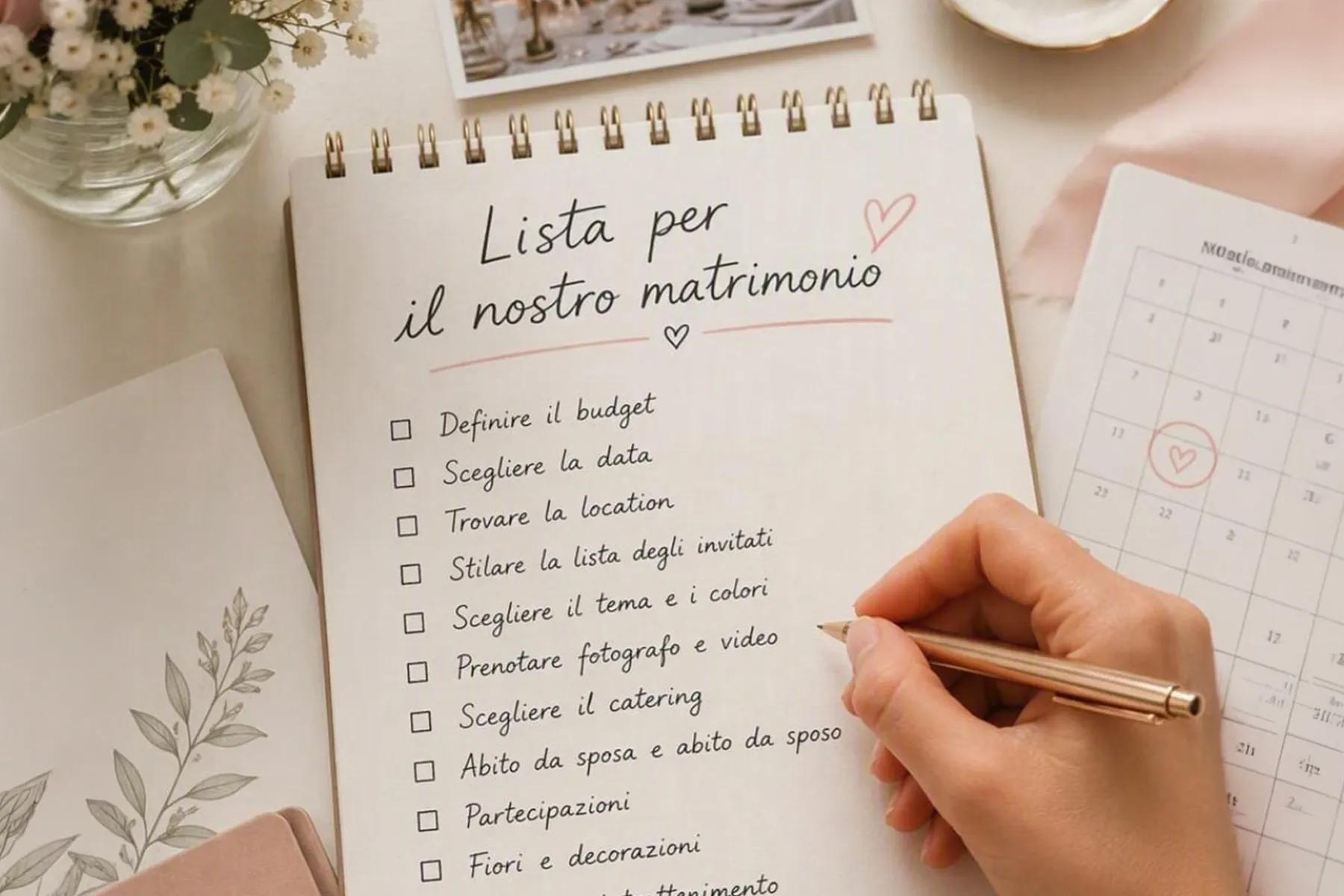
When should you start planning a 2027 wedding to make sure you arrive at the big day feeling relaxed, confident, and completely in control?
The answer is simple: the earlier you start, the more freedom you have to thoughtfully select your venue, creative team, and personal touches.
While there is no single rule for every couple, beginning the process 12 to 18 months in advance is generally the sweet spot. It allows you to pace your decisions, avoid last-minute stress, and secure your top-choice vendors. If you are eyeing 2027 for your wedding, the right time to start planning is right now.
Stress-free wedding checklist: where to begin?
If you are at the very beginning and feeling a bit overwhelmed, start by focusing on these five foundational questions:
What is your budget?
Setting a realistic target helps narrow down your options from day one.
How many guests are you expecting?
Your guest count dictates venue size, catering costs, and overall styling needs.
Which season or month do you prefer?
Having a general timeframe makes vendor and venue inquiries much easier.
What style of wedding do you envision?
Defining your aesthetic guides every choice, from decor to venue selection.
What are your non-negotiables?
Every couple values different things—whether that’s extraordinary food, stunning photography, incredible music, or guest experience.
Answering these key questions turns a vague idea into a concrete plan.
How far in advance should you plan a 2027 wedding?
Organizing a wedding takes time because there are so many moving parts—venues, catering, photographers, attire, floral design, invitations, and guest management.
For a 2027 wedding, aiming for at least 12 months out is ideal, especially if you have your heart set on a specific date or are planning during peak season. Couples who want maximum peace of mind often start 18 months in advance. This approach lets you tackle one phase at a time without feeling bombarded by choices.
Naturally, timelines vary based on the scale of your event: an intimate gathering requires a very different roadmap than a large-scale celebration at a high-demand venue.
The advantages of early wedding planning
Starting early doesn’t mean spending a year and a half in high-stress planning mode. On the contrary, it gives you the luxury of thoughtful decision-making.
1. Secure your dream venue
Venues are the first major booking. Sought-after properties, especially for spring and summer dates, book up quickly. Starting early significantly increases your chances of locking in your dream spot and preferred date.
2. Work with your first-choice vendors
Top photographers, florists, planners, and musicians often book out far in advance. Early outreach gives you the freedom to compare options and curate your ideal creative team.
3. Pace your expenses
Weddings involve multiple investments. Planning early lets you establish a healthy cash flow and spread out major payments over time rather than all at once.
4. You will have time to refine your vision
Whether you lean toward romantic, modern, rustic-chic, minimal, or themed decor, you don’t have to figure it all out overnight. Extra time lets you gather inspiration and build a cohesive design seamlessly.
How long does it really take to plan a wedding?
The total timeframe depends on the complexity of your celebration. A streamlined, intimate affair can easily come together in under a year. For a classic, large-scale event, 12 to 18 months remains the sweet spot.
Ultimately, it’s not about adhering to a rigid rule, but giving yourself enough breathing room to make decisions effortlessly and enjoy the journey.
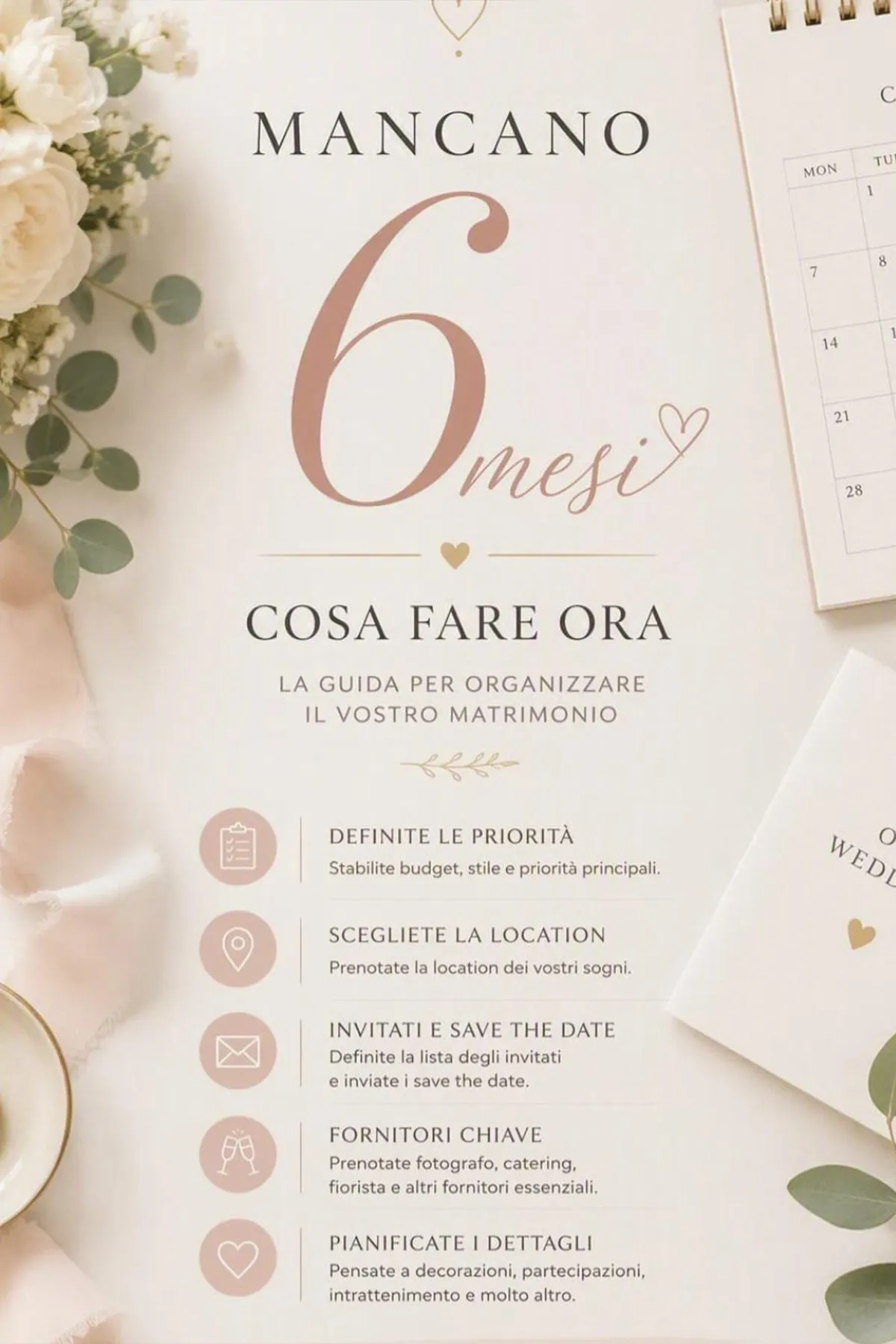
The ideal timeline for a 2027 wedding
Breaking your prep into distinct phases keeps everything organized and stress-free. Here’s how to decide when you should start planning your 2027 wedding.
18–15 months out: foundations & big picture
The time to define the project’s foundations. In this phase you should:
Establish an estimated budget;
Choose your preferred season or target date;
Draft a preliminary guest list;
Define your wedding style and aesthetic;
Tour and book your venue;
Consider if you want to hire a wedding planner.
You don’t need to have all the answers right away—the goal is simply to set a clear direction.
14–12 months out: core creative team
Once you find your venue, you can lock in primary vendors:
- photographer and videographer;
- caterer (if independent);
- entertainment/DJ;
- floral arrangements;
- wedding planner, if desired;
- other services.
You can also begin browsing bridal gowns and suit options.
11–9 months out: styling & guest logistics
Now the wedding starts taking shape. Finalize:
- color palettes
- decor and flowers;
- sationery;
- mise en place;
- gifts bags;
- music;
- wedding cake;
Research hotel blocks and transport for out-of-town guests.
8–6 months out: fine details
With the major decisions locked in, staying on track for a 2027 wedding without last-minute panic comes down to fine-tuning the finer details.
Key focus areas include:
- finalizing wedding attire selection;
- fitting sessions for gowns and suits;
- menu tasting and finalization;
- choosing the wedding rings;
- designing the ceremony layout and order of service;
- designing the seating plan (tableau de mariage);
- mapping out the day-of timeline;
- selecting bridal and groom accessories.
This is also the ideal window to check in with every vendor and ensure they have all the information they need.
5–3 months out: lock everything in
In these final months, the main goal is turning your vision into a concrete action plan. Focus on:
Finalizing the guest count and collecting outstanding RSVPs;
Communicating dietary requirements and allergies to your caterer;
Completing the seating arrangements;
Re-confirming arrival times, setups, and services with all vendors;
Putting the finishing touches on decor and styling details;
Organizing transportation and transfers for guests.
The final 2 months: polishing & final touches
By this point, all major decisions should be behind you. Final preparations center on last-minute logistics:
Final gown and suit fittings;
Picking up the wedding rings;
Locking in the final day-of master schedule;
Submitting the final guest count to the caterer and venue;
Handing over the final seating plan and floor layout;
Conducting final walk-throughs and vendor coordination.
The goal is to step into your wedding week with virtually everything resolved ahead of time.
What should you book first?
Not all wedding vendors work on the same timeline. As a general rule, prioritize services that can only take one event per day. A recommended booking order:
Venue and date;
Wedding planner (if hiring one);
Photographer and videographer;
Catering (if independent from the venue);
Music and Entertainment;
Florist and Event Decorator;
Wedding Attire;
Secondary Vendors & Specialized Details.
This sequence can easily adapt to your priorities. For instance, if you have your heart set on a specific photographer, reaching out to them right away is the smartest move.
When is the best time to get married in 2027?
There is no single “perfect” month—it depends on the climate you prefer, your budget, your wedding style, and personal preferences.
Spring and early autumn are favored for comfortable temperatures and the flexibility to host events seamlessly indoors or outdoors.
Summer is ideal for long daylight hours and outdoor celebrations, though it is peak season and dates fill up quickly.
Winter offers an intimate, sophisticated atmosphere, often coming with greater venue and vendor availability.
If you already have a target month in mind, getting an early start is all the more essential.
Planning a wedding taking place a year or more from now can feel like a huge task right from the start.
As a Wedding Planner, I help you build a clear, long-term roadmap tailored to your vision. Stress-free planning and meticulous preparation are my mission—giving you complete peace of mind for an unforgettable 2027 wedding.